Is There a Campaign Brochure?
Yes! You can access a pdf of the campaign brochure, which provides a full overview of the campaign, HERE.
Why are you running this campaign?
We believe deeply in the power of the trail and Vermont’s backcountry to connect people to place, support healthy lifestyles, and build community. In this period of change and uncertainty, the importance of the trail, backcountry zones, and programming has only grown. Last winter we experienced record participation across CTA events and programs, along with high traffic at CTA trailheads across the state. With this demand comes challenges, which have been compounded by the sudden cancelling of the AmeriCorps program nationally. AmeriCorps members have played a critical role in CTA youth programs, conservation work, and outreach, and the loss of that position would significantly impact our ability to steward trails and expand access to skiing. The Heart of the Trail campaign will address critical short-term needs for the CTA, like the loss of AmeriCorps, while giving the CTA the tools, resources, and staff capacity to ensure the long-term success of the organization. Meeting our campaign goals will enable the CTA to accomplish critical conservation work, meet youth and community program goals, establish new backcountry zones, and ensure the future of backcountry skiing Vermont.
What Specific Trail and Conservation Projects Are Included in the Campaign?
There are two major reroutes included in the campaign. One is south of Lincoln Gap on Section 17. The other is on Section 18. Depending on the final alignment of these reroutes, which are both in the scouting phase, we anticipate needing 13-16 trail easements to fully protect the trail over the full 78-mile corridor. We anticipate that we will need to purchase half of the new easements, with the remainder being donated to the CTA.
There are also two backcountry zone projects included in this campaign. The Old Callahan Zone in Duxbury has been approved and will be opened in the Fall of 2026. A second zone on Bald Hill in Huntington has been included in the FPR Long Range Management Plan for Camels Hump, and the CTA is developing a proposal for a managed backcountry zone there.
How are you addressing climate change? How do reroutes, trail improvements, and backcountry zones play a role in that effort?
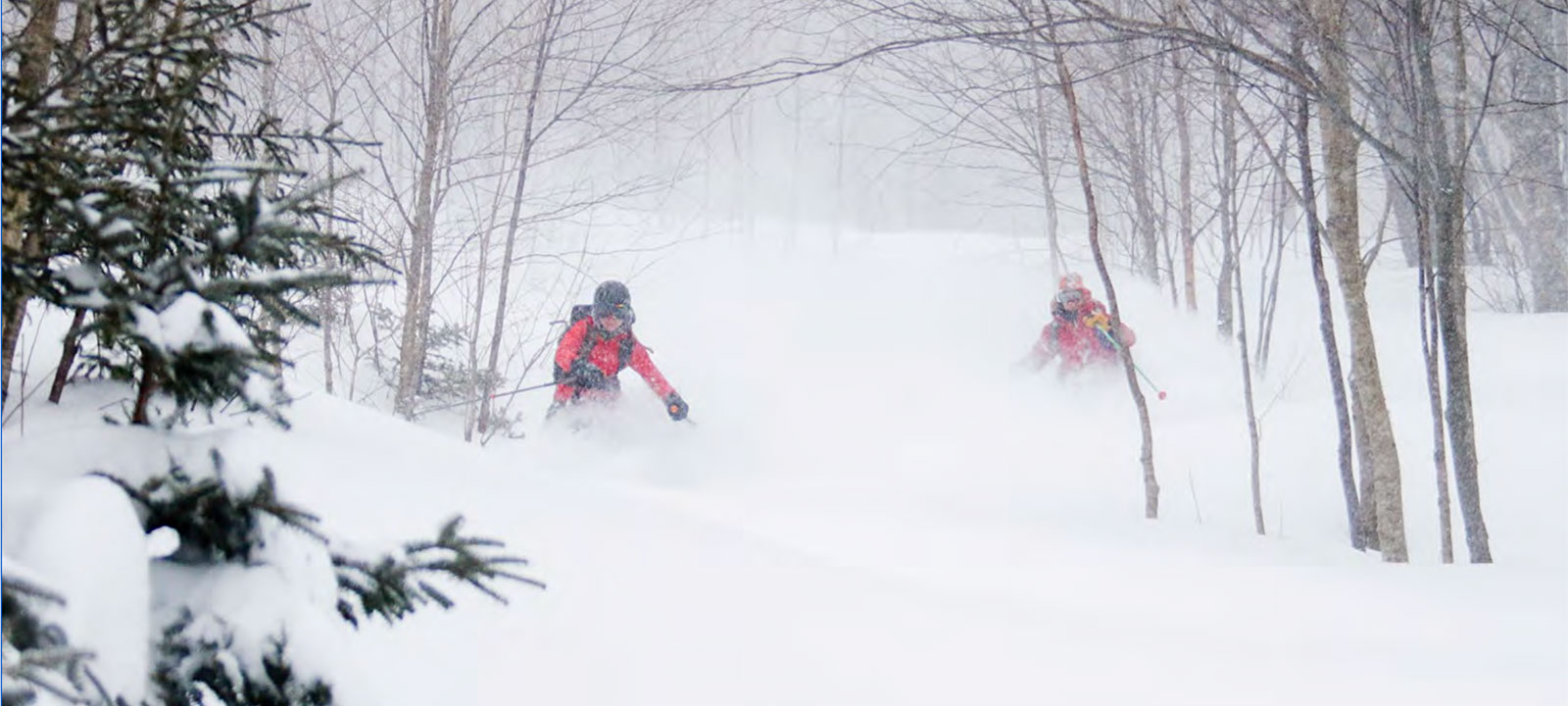
The Catamount Trail and the CTA’s backcountry zones are entirely dependent on natural snow, and in many ways the organization is on the leading edge of dealing with climate change impacts. Though winters in Vermont are projected to get shorter, the 2025 season was a reminder that we still have great skiing, and the magic of the state’s winter landscape is as compelling as ever. By improving drainage on the Catamount Trail and adding bridges in strategic locations, we can significantly improve the climate resiliency of the trail by making it skiable in six inches of snow or less, while reducing the impact of midwinter thaws. Reroutes can help move the trail to higher elevation and areas that hold better snow, which also lengthens the ski season and insulates the trail against bad winters. Backcountry zones can play a similar role as reroutes. Because they are maintained, backcountry zones can be skied with less snow than a typical, unmanaged, backcountry glade. When thoughtfully located and designed in high-elevation areas that hold snow well, they can help give skiers more opportunities to get out on the landscape, even in periods of poor snowfall. Taken together, these efforts can help ensure that there will be high-quality backcountry opportunities in Vermont for decades to come.
How Does This Campaign Support Ski Cubs, CTA Youth Programs, and Other Efforts to Expand Access to Skiing?
CTA Youth Programs have expanded significantly and now work with over 2,000 Vermont youth a year across 11 counties, and become a critical part of the Vermont outdoor recreation landscape and play a vital role in developing the next generation of cross country skiers in the state. That growth, combined with the loss of an Americorps member, has necessitated a new staff member to replace what was formerly the Americorps role in order to maintain programming.
We also need to backstop these programs and to ensure we can maintain program quality long-term, adapt quickly to the needs of our school partners, and maintain programs even if we experience a reduction in funding in a particular year.
In addition to critical support for CTA Youth Programs, this campaign will also give the CTA the resources to expand Community Ski Days, which offer free opportunities for Vermonters to try cross country skiing in their community. We have successfully run these programs at the Intervale and other venues near Burlington and Winooski, where programs regularly attract 50-100 skiers, and this campaign will support an expansion to other communities around the state.
How will you fund the staffing positions in the campaign long-term?
The CTA has a long track record of leveraging programmatic success to support staffing through membership, donations, and sponsorships. We believe this process is critical to ensuring we are responsive to our community and are meeting their needs. We will be working to use the successes enabled by the Heart of the Trail campaign to sustainably expand CTA membership and fundraising campaigns to support staff.
How do you plan to work with the US Forest Service in the current environment?
We are so grateful for our amazing partners at the Green Mountain National Forest and are confident in our ability to build on our 40-year partnership with the GMNF to complete our campaign goals.